
OK, So Tulsa is a nonprofit storytelling organization built on one simple idea: stories matter.
Come tell your story
You don't need to be a writer. You don't need to be a performer. You need one true thing that happened to you and the nerve to say it into a microphone. Put your name in the hat. We'll be listening. And don’t forget — we have FREE monthly workshops to help you craft your story and get it stage ready!
Where we are now
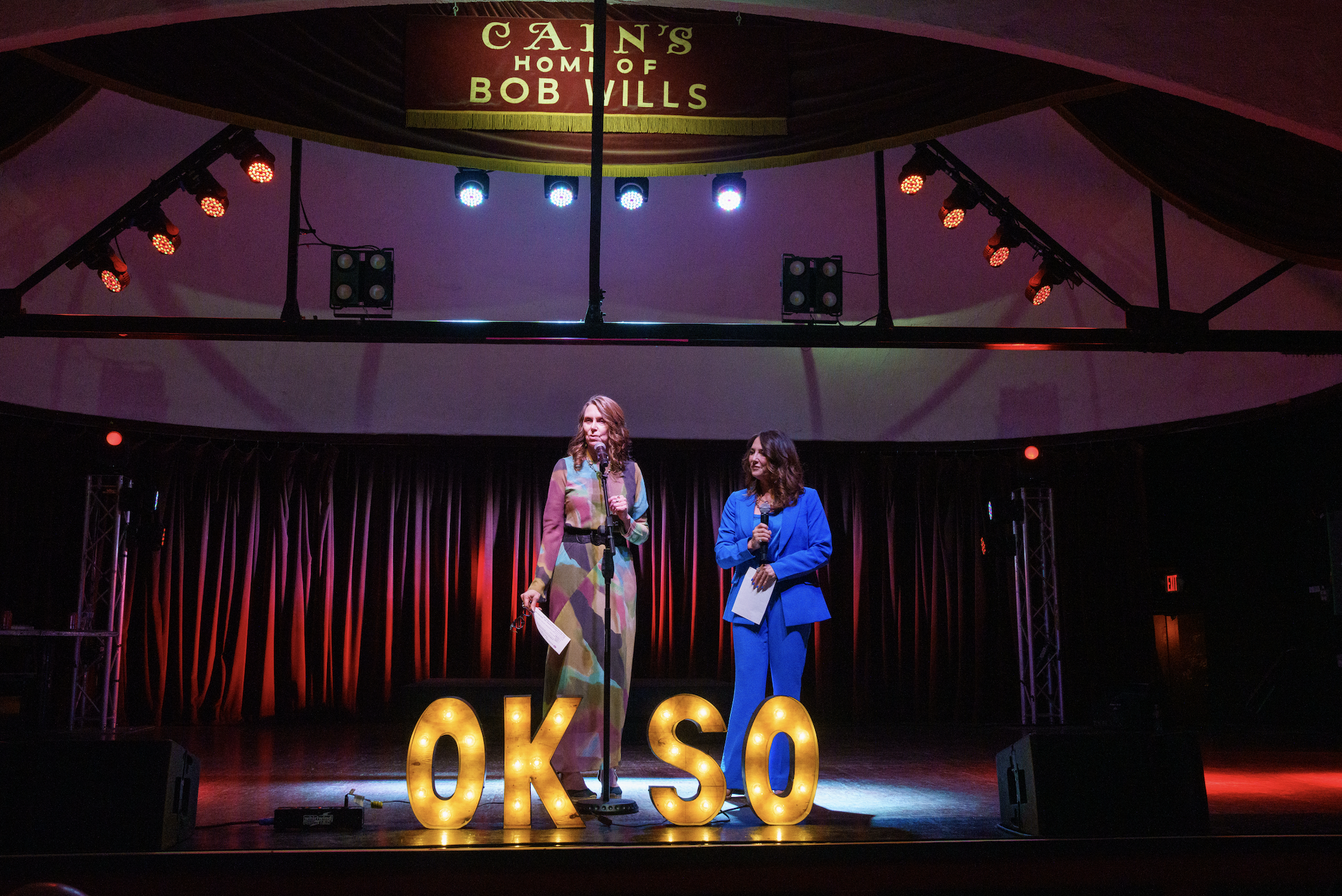
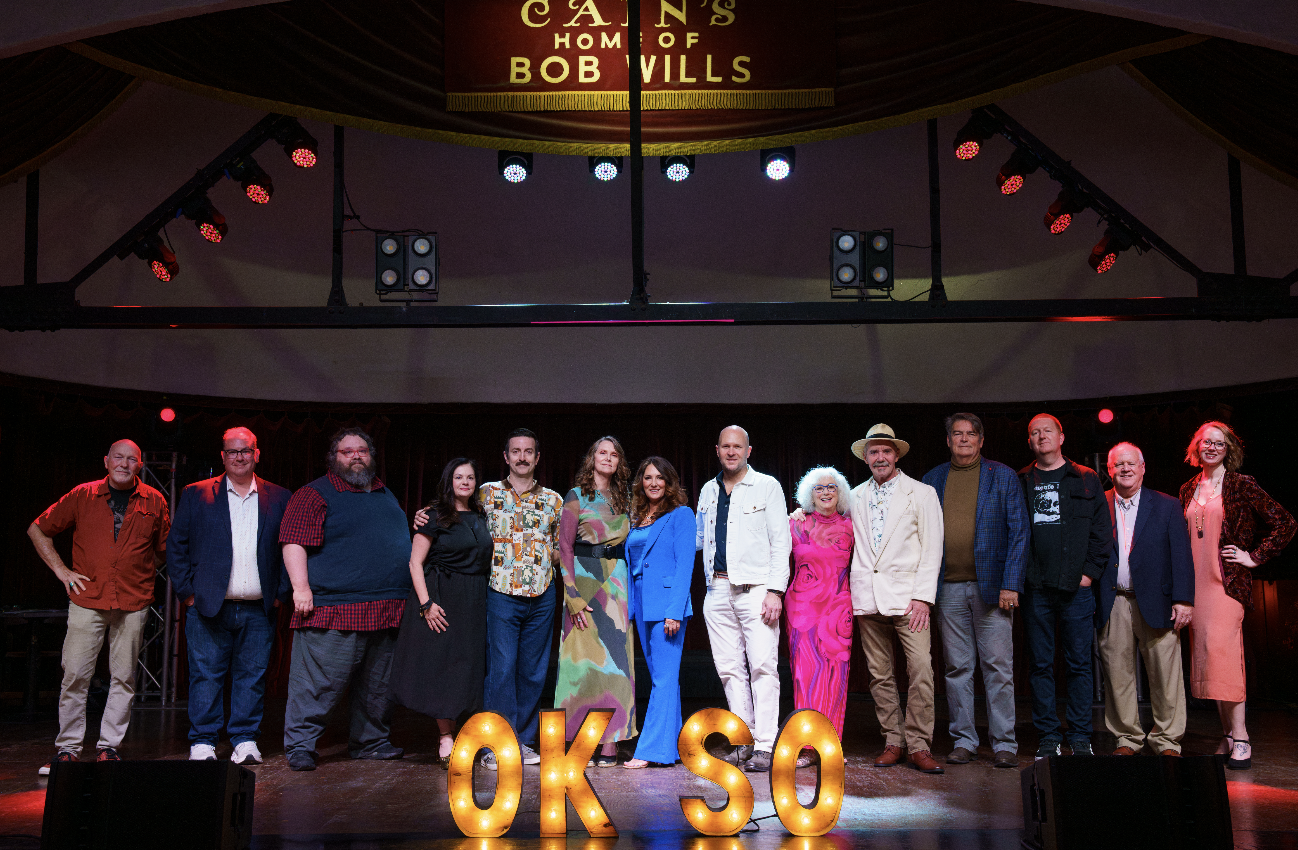
More than a decade later, their monthly slams are selling out with over 200 people, and each year their monthly winners step onto the historic Cain's Ballroom stage for the Grand Slam, where more than 700 people gather to crown Tulsa's Best Storyteller.
The stories don't end when the lights come up, either. OK, So’s podcast, OK, So: Say More, on Public Radio Tulsa — the city's NPR station — carries stories from the stage to listeners everywhere, and gives their tellers room to, well, say more.
Why stories matter
Five minutes is long enough for a stranger to become a person. Long enough to find out that the thing you thought only ever happened to you has happened to somebody three rows back. Long enough for the teller to learn what the story was really about — most of us don't know until we're standing up there — and to remember that everyone we pass in this city is carrying one.
OK, So believes in a mic, a room, and an honest five minutes — believes listening is a civic act — and believes a city that tells its stories out loud gets to know itself — the funny, the awful, the tender, the strange — and that a city that knows itself is a better place to live. That's why OK, So is here. That's why they’ve done it every month for more than a decade.
Who we are
OK, So Tulsa is a nonprofit storytelling organization built on one simple idea: stories matter. We put people in front of a microphone to tell true, five-minute stories from their own lives — no notes, no scripts — and we fill the room with people ready to listen. Our mission is to give this city a place to tell stories - one story at a time.
How it started
OK, So began in March 2013 when two old high school classmates, Branda Jean Piersall and Michelle Bias, reconnected at a mini reunion at McNellie's, became fast friends, and decided Tulsa needed a story slam of its own. Inspired by The Moth, they set out to build the kind of event they'd want to attend themselves — funny, surprising, honest, a little unpredictable, and rooted in the Tulsa's arts community.
The first OK, So drew ten people to the old Phoenix Coffee House on Peoria. From there they moved through Enso and IDL before finding their home at Living Arts of Tulsa. The rooms got bigger. The idea never changed.
How Does A Storyslam Work?
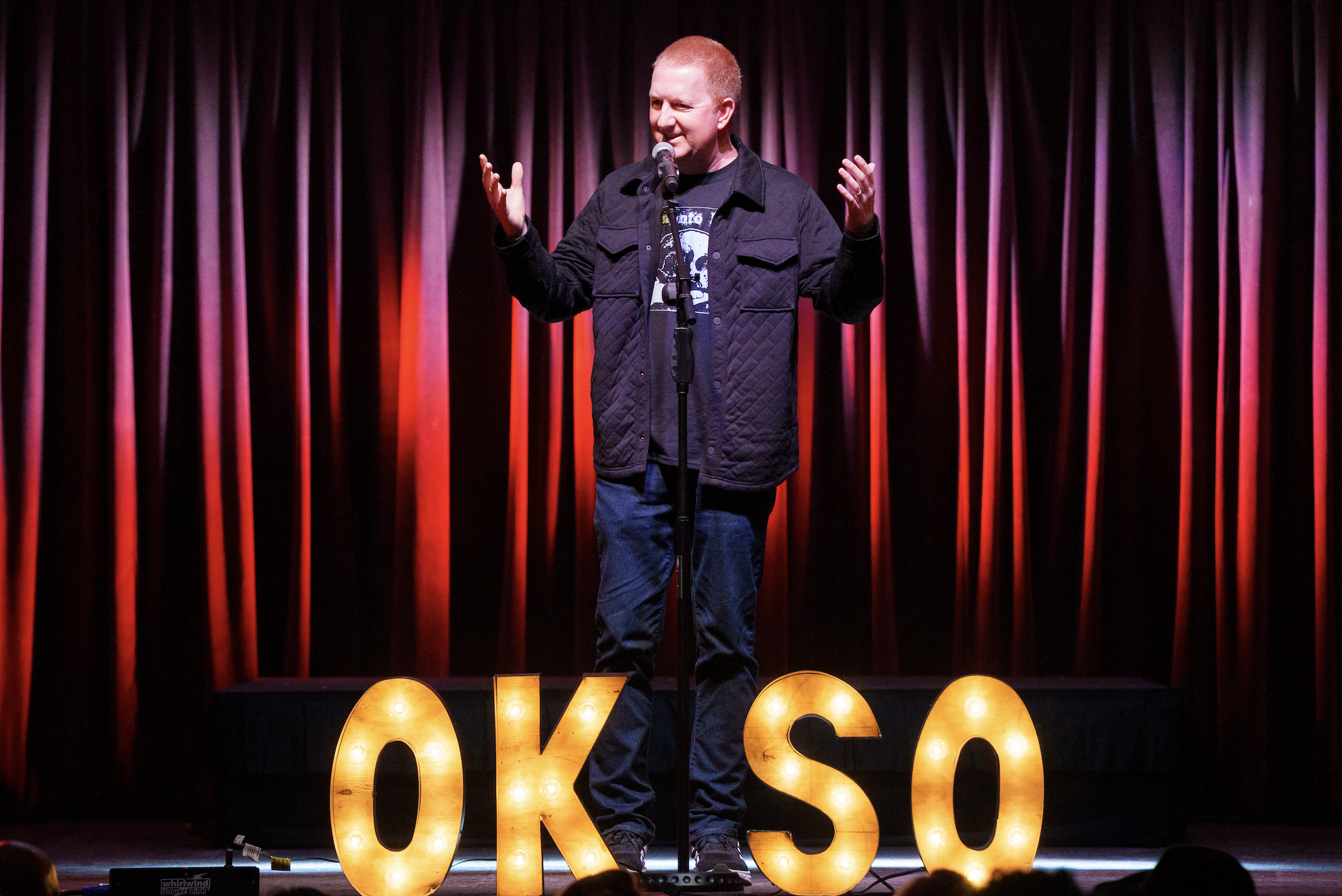
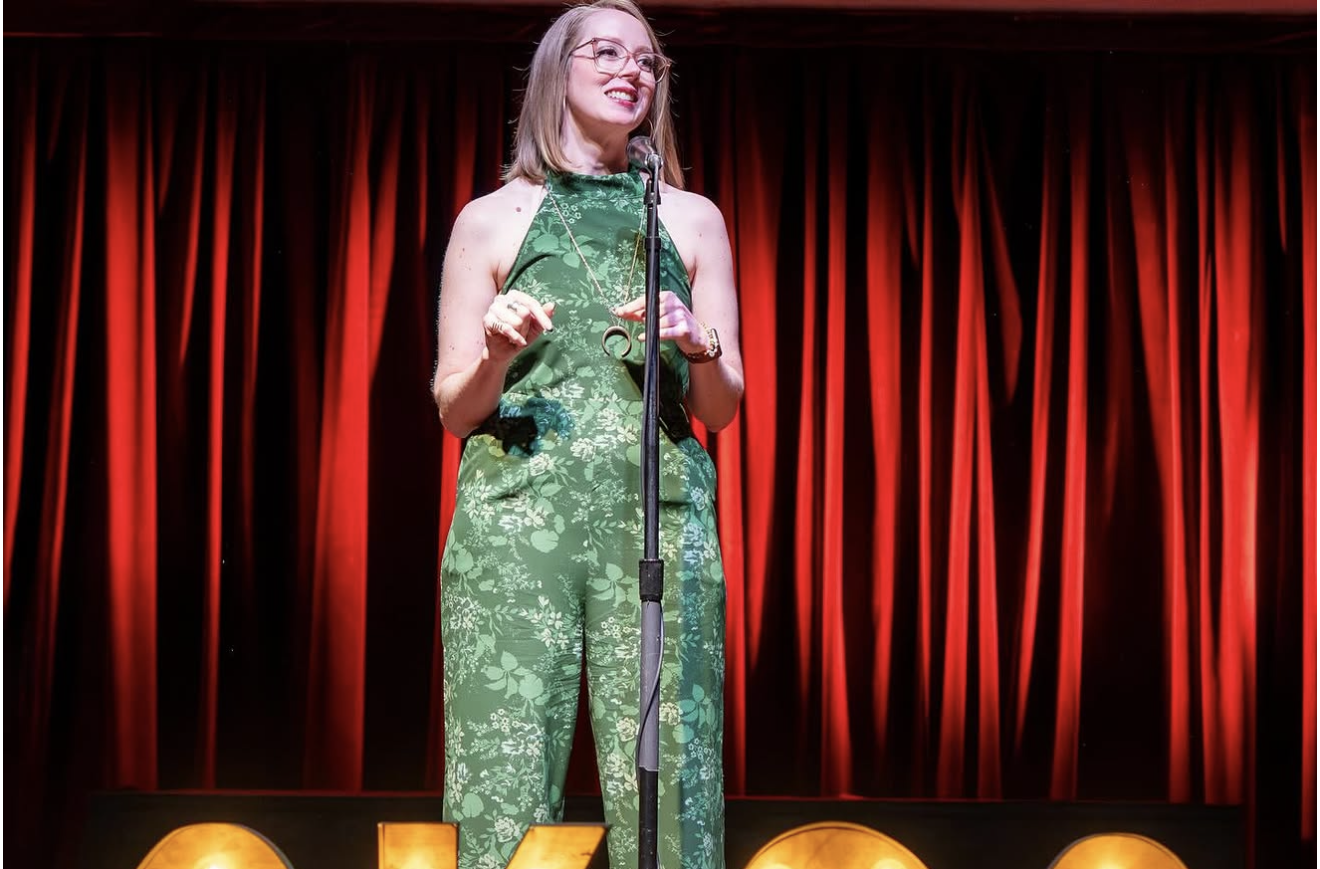
Every event has a theme, and everyone in the audience is invited to share a personal story related to the theme. Plenty of stories can be molded to fit any theme, so BE BRAVE and come and put your name in the hat! Every potential storyteller's name gets thrown in a hat. 10 names are drawn and each storyteller has 5 minutes on the mic to tell a story and win the crowd. 'Judges' are audience members who score the teller/tale on a 10-point scale. The highest-scoring teller gets a cash prize and an invitation to participate in the yearly Grand Slam. At the Grand Slam the monthly winners vie for the "Best Storyteller in Tulsa" spot.
WHO TELLS A STORY?
Anyone who wants to!
TIPS FOR STORYTELLER:
Stories are TOLD not read. PRACTICE so you can remember it without reading from paper. NO paper allowed on stage. Your story should be TRUE and told from your point of view.
*Stick to the 5 MINUTE LIMIT. (Practice is good for this aspect)
*Have some balance in your story. If it is a sad or serious one, add in some levity. If it is a funny story, add some poignancy.
*Try not to ramble. Make note of the key parts of your story and thread it all together.
*Know your story by heart, but not by rote memorization.
*It's helpful to know your first line and last line when you get up there. A great first line grabs attention! And a great last line is clear and completes the story for the audience.
*NO STAND UP ROUTINES PLEASE. We love funny people, but they must tell a story.
*NO POEMS, RANTS OR ESSAYS. Make it something that actually happened, not a diatribe or musing.
*Have some stakes, what do you stand to gain or lose? Why is what happens important to you? Is there a conflict resolution? What did you learn? Reflect on the events during the telling. What's it all MEAN (to you)?